Safe, Comfortable Dental Implant Surgery in Holyoke, MA
The idea of undergoing a surgical procedure can feel daunting. But at Holyoke Mall Dental, our experienced dentist in Holyoke, MA, provides a safe, comfortable dental implant procedure for patients replacing one missing tooth or several. Whether you’re searching for a dentist near you who handles implants from start to finish or you’re already scheduled for a consultation, this guide walks through exactly what to expect.
If you’re ready to see if dental implants are right for you, contact Holyoke Mall Dental today by calling (413) 538-7400. Dr. Eric Chen is one of the most experienced dentists in Holyoke and will make sure your smile goals are met from your first visit to your final restoration.
What Is a Dental Implant?
A dental implant is a small titanium post that acts as an artificial tooth root, placed directly into the jawbone. Titanium is used in the vast majority of implants placed in the U.S. today because it fuses naturally with living bone, a process called osseointegration. Once the post has healed in place, an abutment connects it to a custom-made dental crown, dental bridge, or denture, giving you a replacement tooth that looks, feels, and functions like a natural one.
How Long Does the Dental Implant Process Take, From Start to Finish?
On average, the full dental implant process takes about four to six months from consultation to final crown placement, though this varies by patient. The surgical appointment itself is usually just a couple of hours, but healing and osseointegration (the stage where the implant post fuses with the jawbone) typically takes three to six months before the final restoration can be attached. Patients who need a bone graft beforehand should expect the process to run somewhat longer.
How the Dental Implant Procedure Works
Initial Consultation
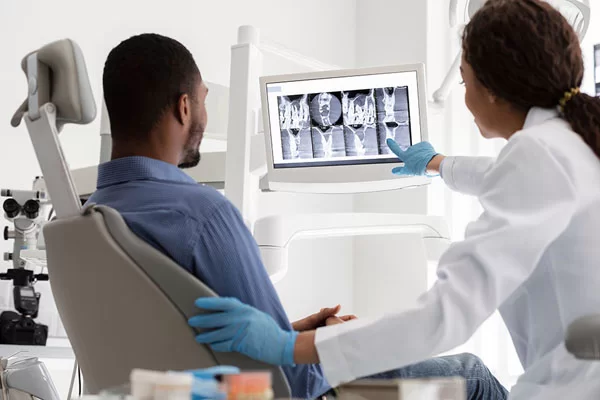
The first step is scheduling an initial consultation with our dentist in Holyoke. During this appointment, we examine your mouth, take digital X-rays, and evaluate your implant candidacy for treatment. We’ll also review your medical history and current medications to confirm implant surgery is safe for you.
Bone Grafting and Supplemental Procedures
Some patients need additional preparation before moving forward with implants. A bone graft is common for patients with lower jawbone density, and a periodontist may be involved if active gum disease needs to be addressed first. These supplemental procedures can be done before or during the implant process, depending on your case. In some situations, a tooth extraction is needed to make room for the implant.
Dr. Chen will evaluate your jawbone and oral health to determine what’s necessary, and if implants aren’t the right fit, we’ll discuss alternatives like a partial denture or dental bridge.
Implant Placement Surgery
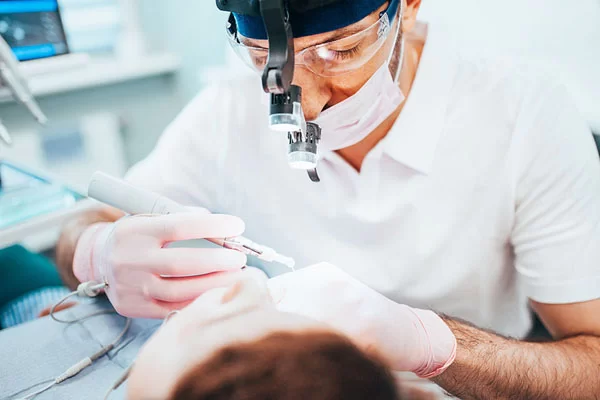
Implant placement is typically an outpatient surgical procedure done under local anesthesia, though some patients opt for oral conscious sedation for added comfort. We’ll discuss sedation options at your consultation. During surgery, the dentist makes a small incision in the gum tissue and places the titanium implant post into the jawbone, where it will heal and integrate with the bone over the coming months. Many patients feel little to no discomfort during the procedure itself thanks to modern anesthesia and, when needed, 3D imaging that guides precise placement.
Healing and Osseointegration
During recovery, the implant post undergoes osseointegration, the natural process where jawbone fuses around the post to create a stable, permanent foundation. Most patients return to their normal routine within a few days, though a soft-food diet and some mild swelling or discomfort for a week or so are common. Every patient heals at a different pace, so your exact timeline may shift.
Final Restoration Placement
Once osseointegration is complete, you’ll return to our Holyoke dental office for your final restoration appointment. Your custom crown, bridge, or implant-supported denture is attached to the abutment, completing your replacement tooth so it looks and functions like the real thing.
Is the Dental Implant Procedure Painful?
Most patients report little to no pain during the dental implant procedure itself. Local anesthesia numbs the surgical site, and patients with dental anxiety can ask about additional sedation options at their consultation. Afterward, any discomfort or swelling is usually well managed with over-the-counter pain medication—most patients describe recovery as more manageable than a routine tooth extraction.
Dental Implant Success Rates
Dental implants have one of the highest success rates of any restorative dental procedure. Current research puts short-term success at roughly 95–98% within the first five years, with long-term studies showing survival rates holding above 90% even 15–20 years later. Outcomes depend on a few key factors: overall health, jawbone density, how closely aftercare instructions are followed, and whether any underlying gum disease is treated beforehand. Which is exactly why the consultation and any needed supplemental procedures matter so much before surgery.
How Much Do Dental Implants Cost?
Nationally, patients typically budget somewhere between $3,000 and $5,000 or more per tooth for a complete single implant, including the post, abutment, and crown. Your exact dental implant cost depends on factors like whether a bone graft or extraction is needed, the materials used, and the complexity of your case. We’ll walk you through a full, itemized treatment plan at your consultation so there are no surprises, and our team can talk through financing options to help make treatment fit your budget.
Caring for Your Implant After Surgery
Taking good care of your oral health after surgery helps ensure proper healing and reduces the risk of complications. A few tips:
- Follow your dentist’s instructions closely
- Manage pain and swelling with cold compresses and over-the-counter medication
- Avoid tobacco products and alcohol while healing
- Stick to soft foods and avoid anything hard, crunchy, or spicy
- Practice good oral hygiene
- Attend all follow-up appointments
For a full walkthrough, our Holyoke dentist has put together a detailed aftercare guide. You can also call (413) 538-7400 anytime with questions.
Frequently Asked Questions
Not necessarily. In some cases, implants can be placed directly into the jawbone without removing existing teeth. If there’s insufficient healthy bone or an existing tooth can’t be saved, a tooth extraction may be needed first.
On average, four to six months from start to finish. The surgery itself takes just a few hours, but osseointegration, when the implant fuses with the jawbone, typically takes three to six months before your final crown is placed.
Most patients report little to no pain during the dental implant procedure thanks to local anesthesia and, when needed, additional sedation. Afterward, discomfort is usually manageable with over-the-counter medication.
Dental implants replace a missing tooth or teeth lost to injury, decay, or gum disease. They provide a permanent, durable replacement tooth that restores both function and appearance.
Coverage varies by plan. Many dental insurance policies cover part of the procedure (such as the crown), though implant placement itself isn’t always included. Our team can help verify your benefits and discuss financing during your consultation.
Choose Holyoke Mall Dental as Your Dentist in Holyoke, MA
Still have questions about the dental implant procedure? Contact our dentist in Holyoke today. With years of implant dentistry experience, Dr. Chen and our team will answer your questions and help you determine if dental implants are right for you.
Call (413) 538-7400 to schedule your appointment. As a trusted dentist near you in Holyoke, we’re proud to provide top-rated restorative dentistry services throughout the Greater Springfield area, including Westfield, Southampton, South Hadley, and nearby Western Massachusetts communities.