How Dental Insurance Covers the Cost of Your Dental Bridge
Losing a tooth changes more than your smile. It affects how you chew, how you speak, and often how confident you feel in everyday interactions. A dental bridge is one of the most reliable, time-tested solutions for replacing a missing tooth—and if you’re searching for dental bridge cost near you in Holyoke, MA, you’re in exactly the right place.
At Holyoke Mall Dental, we believe you deserve transparent pricing before you ever sit in the chair. Dr. Eric Chen and our team break down what dental bridges actually cost in 2026, what drives those numbers up or down, how your dental insurance plays in, and what your out-of-pocket expense might look like—all with zero pressure.
Missing a tooth? Call our Holyoke dental office at (413) 538-7400 to request a dental bridge consultation or a transparent cost estimate.
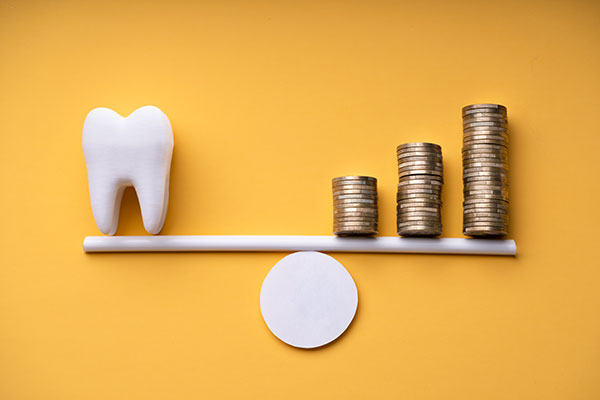
How Much Does a Dental Bridge Cost in Holyoke, MA?
In the Greater Springfield and Holyoke area, dental bridge costs are generally in line with national averages. Here’s a quick-reference breakdown by bridge type:
| Bridge Type | Estimated Cost Range | Best For |
| Traditional (3-unit) | $2,500 to $6,000 | One missing tooth with two healthy adjacent teeth |
| Cantilever Bridge | $2,000 to $5,000 | Missing tooth with only one adjacent supporting tooth |
| Maryland (Resin-Bonded) | $1,500 to $2,500 | Front teeth; conservative option; minimal tooth prep |
| Implant-Supported Bridge | $5,000 to $15,000+ | Multiple missing teeth; the strongest, most durable option |
These ranges reflect the cost of the bridge itself. Depending on your unique oral health situation, additional procedures—like a tooth extraction, bone grafting, or treatment for gum disease—may be needed before placement and can affect your total investment.
At Holyoke Mall Dental, we provide a clear, itemized estimate before any treatment begins. No surprise fees.
What Factors Affect the Cost of Your Dental Bridge?
Not every bridge is the same, and neither is every patient. Several variables shape what you’ll ultimately pay for dental bridge treatment near you in Holyoke, MA.
A traditional fixed bridge (the most common type) involves crowns placed on the two healthy abutment teeth on either side of the gap, with a prosthetic tooth—called a pontic—suspended between them. Implant-supported bridges skip the crowns entirely and anchor directly to surgically placed titanium posts in your jawbone. Because implant-supported options require surgery, a dental laboratory-fabricated prosthesis, and more appointment time, they sit at a higher price point.
The material your bridge is made from is one of the biggest cost variables.
- Porcelain-fused-to-metal (PFM): A mid-range option that balances durability and natural appearance. Metal alloy provides strength; the porcelain exterior mimics your natural teeth.
- All-ceramic/all-porcelain: Premium aesthetics, especially for front teeth visible when you smile. Higher cost, but virtually indistinguishable from natural tooth enamel.
- Zirconia: The most durable modern option. Extremely strong, biocompatible, and aesthetically excellent. Popular for both front and back teeth. Higher cost reflects superior longevity.
- Gold and metal alloys: Rare today but occasionally used for back molars due to extreme strength. Generally less expensive than all-ceramic, but highly visible.
The more teeth being replaced, the more pontics (artificial teeth) and crowns are required—and the higher the cost. A 3-unit bridge (replacing one tooth) will cost less than a 5-unit bridge replacing two adjacent missing teeth.
Front teeth require materials that closely match your natural enamel for a seamless cosmetic dentistry result. Molars must withstand significant chewing force. Both factors influence material selection and, therefore, price.
Before placing any bridge, the supporting abutment teeth must be healthy. If tooth decay, gum disease, or bone loss is present, those issues must be treated first. Additional procedures like root canal therapy, periodontal treatment, or bone grafting will be added to the total cost.
Our Holyoke dentist, Dr. Eric Chen, works with high-quality dental laboratories for precision-crafted restorations. Experienced dentists with access to top-tier labs tend to charge more—but the result is a bridge with a better fit, better bite, and longer lifespan.
Dental Bridge Cost With vs. Without Insurance in Holyoke, MA
Dental insurance can dramatically reduce what you pay out of pocket for a bridge.
With Dental Insurance
Most dental insurance plans—including PPOs from Delta Dental, MetLife, Aetna, and others—classify bridges as major restorative services. Coverage typically works like this:
- Coverage percentage: 50%–80% of the allowed amount after your deductible is met.
- Annual maximum benefit: Most plans cap benefits at $1,000–$2,000 per year—this is key to understanding your actual out-of-pocket exposure.
- Waiting periods: Some insurance plans require a 6–12 month waiting period before covering major procedures like bridges; check your policy carefully.
Example: If your 3-unit bridge costs $4,000 and your plan covers 50% with a $1,500 annual maximum, your insurance pays $1,500, and you’re responsible for $2,500.
Medical necessity matters. Insurance companies are more likely to cover your bridge when it’s documented as medically necessary—meaning the missing tooth is causing functional problems (difficulty chewing, shifting teeth, bone loss). Our team will help document your case properly for your insurance company.
Without Dental Insurance
No coverage? You’re not stuck. Here’s what we recommend to help finance your dental bridges:
- CareCredit and in-house financing: Spread the cost over 6–24 months with low- or no-interest payment plans.
- Health Savings Account (HSA) or Flexible Spending Account (FSA): Dental bridges qualify as a medical expense—paying with pre-tax HSA/FSA dollars effectively reduces your cost by your marginal tax rate (often 22–32%).
- Medicaid: Massachusetts MassHealth (Medicaid) provides limited dental benefits for adults. Coverage for bridges under MassHealth varies; contact our office, and we’ll help you check your eligibility.
Medicare note: Traditional Medicare Parts A and B do not cover dental bridges. If you have a Medicare Advantage (Part C) plan, dental benefits vary by plan—call us at (413) 538-7400, and we’ll verify your benefits for you.
Types of Dental Bridges: Which One Is Right for You?
Your dentist in Holyoke will recommend the best bridge type based on where the missing tooth is located, the health of your surrounding teeth and gums, your jawbone density, and your budget. Here’s a deeper look at each option.
Traditional Fixed Bridge
Traditional fixed bridges are the most common type of dental bridge. Two crowns are cemented onto the abutment teeth (the healthy teeth on either side of the gap), holding a pontic—the artificial replacement tooth—firmly in place. The result is a fixed, non-removable prosthesis that looks and functions like a natural tooth. Traditional bridges are an excellent choice when you have strong, healthy adjacent teeth and want an affordable, proven solution.
Cost of traditional bridges in Holyoke: approximately $2,500–$6,000 for a 3-unit bridge
Cantilever Dental Bridge
A cantilever dental bridge is similar to a traditional bridge, but anchors to only one adjacent tooth instead of two. This is used when there’s only one natural tooth next to the gap—for example, at the back of the mouth, where there’s no second anchor tooth. Because all chewing stress falls on a single abutment, cantilever bridges are best for low-force areas of the mouth. Your Holyoke dentist will assess whether this is a safe option for your bite.
Cost of cantilever dental bridges in Holyoke: approximately $2,000–$5,000
Maryland (Resin-Bonded) Bridge
Instead of crowns, a Maryland bridge uses a metal or porcelain framework with wings that bond to the backs of the adjacent teeth—no crowns, no major tooth reduction. This makes it a conservative, minimally invasive option. It works well for replacing front teeth where biting forces are lower. The tradeoff: Maryland bridges can come uncemented over time and aren’t ideal for replacing molars.
Cost of Maryland dental bridges in Holyoke: approximately $1,500–$2,500
Implant-Supported Bridge
When multiple adjacent teeth are missing or when the neighboring teeth aren’t strong enough to support crowns, an implant-supported bridge is often the best long-term solution. Titanium implant posts are surgically placed in the jawbone, acting as artificial tooth roots. Once healed and integrated into the bone, a custom bridge is secured to the implants—no healthy adjacent teeth required. Implant-supported bridges preserve jawbone density, prevent further bone loss, and can last a lifetime with proper oral hygiene.
Cost of implant-supported bridges in Holyoke: approximately $5,000–$15,000+, depending on the number of implants
Dental Bridge vs. Dental Implant vs. Dentures: A Cost & Value Comparison
Choosing between tooth replacement options involves more than comparing sticker prices. Here’s how bridges stack up against the alternatives for Holyoke patients:
| Dental Bridge | Single Implant | Partial Denture | |
| Upfront Cost | $2,500 to $6,000 | $3,000 to $6,000+ | $700 to $2,500 |
| Longevity | 10 to 15+ years | 20+ years (often lifetime) | 5 to 10 years |
| Bone Preservation | No | Yes | No |
| Removable? | No (fixed) | No (fixed) | Yes |
| Surgery Required? | No | Yes | No |
| Insurance Coverage | Often 50–80% | Limited | Often 50–80% |
The bottom line: Bridges cost less upfront than implants and don’t require surgery—making them a practical, affordable choice when you want a fixed solution without a lengthy treatment timeline. If preserving jawbone and maximizing longevity are your top priorities and you’re a good candidate, implants may offer better long-term value. Partial dentures cost the least but are removable and typically need replacement sooner. Our Holyoke dentist will help you compare these options based on your specific oral health situation and budget.
What Is the Dental Bridge Procedure Like?
Understanding the dental bridge process helps you plan both financially and logistically.
- Consultation and Exam: Dr. Chen examines your mouth, reviews X-rays, assesses your gums and bone health, and recommends the best bridge type. We’ll give you a written cost estimate at this visit.
- Tooth Preparation: For traditional and cantilever bridges, the abutment teeth are gently reshaped to accommodate the dental crowns that will anchor your bridge. Local anesthesia is used for comfort.
- Impressions: Precise impressions (or digital scans) of your teeth are sent to a dental laboratory, where your custom bridge is crafted from the material you’ve chosen.
- Temporary Bridge: You’ll wear a temporary bridge to protect your prepared teeth while your permanent restoration is being made (typically 2–3 weeks).
- Final Placement: Your permanent bridge is checked for fit, bite alignment, and aesthetics, then permanently cemented. Most patients require minimal to no adjustments.
The process typically takes 2 to 3 appointments over 3 to 6 weeks for traditional bridges. Implant-supported bridges take longer due to the healing period after implant placement.
Does a Dental Bridge Last? What to Expect
A well-placed, properly maintained dental bridge typically lasts 10 to 15 years, and many last considerably longer. Lifespan depends on:
- Your oral hygiene routine: Daily brushing and flossing (including under the bridge with a floss threader or water flosser) prevents decay from forming at the abutment teeth.
- The materials used: Zirconia bridges generally outlast porcelain-fused-to-metal options.
- Your bite: Patients who grind their teeth (bruxism) experience more wear; a custom nightguard can protect your investment.
- Regular dental visits: Biannual checkups allow your Holyoke dentist to catch early signs of wear or loosening before they become bigger problems.
Bridges don’t stimulate the jawbone the way implants do, which means some bone resorption can occur beneath a bridge over many years. This is one reason some patients eventually upgrade to an implant-supported solution.

Dental Bridges in Holyoke, MA—Serving the Greater Springfield Area
If you’re searching for a dentist near you in Holyoke who offers dental bridges at fair, transparent prices, Holyoke Mall Dental is here. We serve patients throughout Western Massachusetts, including:
- Holyoke, MA (primary location)
- Westfield, MA
- South Hadley, MA
- Southampton, MA
- Springfield, MA, and Greater Springfield
- Chicopee, MA
- Northampton, MA
Dr. Eric Chen and our team take the time to understand your goals—whether that’s restoring chewing function, closing a gap in your smile, or simply knowing that you’ve made a smart long-term investment in your oral health. We’ll walk you through every cost, every step, and every option.
Ready to get started? Call (413) 538-7400 to request a consultation. We’ll verify your insurance benefits and provide a clear estimate before anything begins.
Frequently Asked Questions
A traditional 3-unit dental bridge in the Holyoke and Greater Springfield area typically ranges from $2,500 to $6,000, consistent with national averages. The exact cost depends on the bridge type, materials, and your specific oral health needs. Contact our office at (413) 538-7400 for a personalized estimate.
Yes—most dental insurance plans, including Delta Dental and MetLife PPO plans common in Massachusetts, classify bridges as major restorative services and cover 50%–80% of the cost after your deductible. Your annual maximum benefit (typically $1,000–$2,000) is the key factor in calculating your out-of-pocket cost. Our team will verify your benefits before treatment.
Upfront, yes—a traditional bridge typically costs $2,500–$6,000, while a single dental implant runs $3,000–$6,000 or more. However, implants last longer and preserve jawbone. Whether a bridge or an implant is the better value depends on your age, bone health, and long-term goals. Our Holyoke dentist will help you compare both options honestly.
Yes. Dental bridges are a qualified medical expense under IRS guidelines, making them eligible for payment with Health Savings Account (HSA) or Flexible Spending Account (FSA) funds. Paying with pre-tax dollars effectively reduces your net cost.
MassHealth provides limited dental benefits for adults, but coverage for bridges is restricted and varies by your specific plan. Call our office, and we’ll help you determine your MassHealth dental benefits before your consultation.
ACA marketplace plans are required to cover pediatric dental care, but adult dental coverage under ACA health plans varies widely. Standalone dental insurance plans purchased through or outside the ACA marketplace may cover bridges as major restorative services. Check your specific policy or ask our team to help review your benefits.
Take the Next Step Toward a Complete, Confident Smile
Living with a missing tooth doesn’t have to be permanent—and understanding the cost shouldn’t require a dental degree. At Holyoke Mall Dental, we’re committed to making dental bridge treatment accessible, affordable, and stress-free for patients in Holyoke, Westfield, South Hadley, and all of Western Massachusetts.
Whether you’re just beginning to explore your options or you’re ready to schedule treatment, our team is ready to help. We’ll verify your insurance, discuss financing, and give you honest answers about what your specific bridge will cost—before you commit to anything.
Call us at (413) 538-7400 to request a consultation. Your trusted dentist near you in Holyoke, MA, serving patients throughout Greater Springfield and Western Massachusetts at Holyoke Mall Dental.