Do You Need to Get Your Wisdom Teeth Removed?
Wisdom teeth—also called third molars—are the final set of teeth to develop, typically appearing in the late teens or early twenties. While some people never experience problems, many young adults and adults develop dental complications that make wisdom tooth removal necessary.
Knowing when to remove your wisdom teeth in Holyoke can help you avoid severe pain, infection, damage to nearby teeth, and long-term oral health issues.
At our Holyoke dental office, Dr. David Huang, a highly trained oral and maxillofacial surgeon, helps patients determine whether wisdom teeth should be monitored or removed. If you’re experiencing discomfort or want an evaluation, call (413) 538-7400 to schedule a consultation. We proudly serve Holyoke, Springfield, Westfield, Southampton, South Hadley, and surrounding Western Massachusetts communities.

Why Choose Dr. David Huang for Wisdom Tooth Removal Near You?
Dr. David Huang is a highly skilled oral and maxillofacial surgeon with over 15 years of experience treating complex dental and surgical conditions.
- Dual degrees: Doctor of Dental Surgery (DDS) and medical degree (MD)
- Extensive training in oral surgery and anesthesia
- Patient-centered treatment plans
- Gentle approach with a strong focus on pain management
- Trusted by patients and medical professionals throughout Western Massachusetts
If you’re searching for an oral surgeon near you or a dentist in Holyoke, MA, for wisdom tooth extraction, Dr. Huang provides expert care you can trust.
Understanding Wisdom Teeth Growth
Wisdom teeth usually emerge between the ages of 17 and 21, though some appear later or not at all. Ideally, these molars erupt fully, align properly, and have enough room in the jaw to function like other teeth.
However, problems arise when:
- There isn’t enough space in the jawbone
- The tooth grows at an odd angle
- The tooth becomes partially erupted or trapped beneath the gums
- The tooth presses against neighboring teeth
When this happens, the tooth becomes impacted, increasing the risk of infection, gum disease, bone loss, tooth decay, and damage to nearby teeth.
Not all wisdom teeth need to be removed. In cases where wisdom teeth are fully erupted, healthy, and easy to clean, wisdom teeth management may simply involve monitoring with routine X-rays and exams.
Types of Impacted Wisdom Teeth
Impacted wisdom teeth can affect the soft tissue, surrounding bone, and nearby teeth in different ways:
- Vertical Impaction: Tooth is upright but trapped beneath gum tissue
- Horizontal Impaction: Tooth grows sideways into neighboring teeth
- Mesial Impaction: Tooth angles forward toward other molars (most common)
- Distal Impaction: Tooth angles backward toward the rear of the mouth
Each type carries different risks, from fluid-filled sacs (cysts) and infection to structural damage to the jawbone. A consultation with an experienced oral surgeon is essential to determine the safest treatment options. Contact our Holyoke dental office at (413) 538-7400 to schedule your consultation.
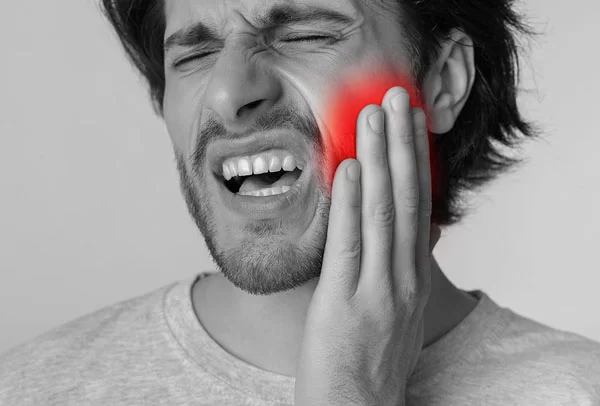
Signs You May Need Wisdom Teeth Removed
Persistent Pain and Jaw Discomfort
Ongoing pain is often the first warning sign. Symptoms may include:
- Swollen or bleeding gums
- Jaw pain or stiffness
- Bad taste or chronic bad breath
- Tender gum tissue behind the molars
- Pressure or pain radiating through the mouth
Inflammation, Infection, or Gum Disease
When wisdom teeth break through the gums, bacteria can collect beneath the gum flap, leading to:
- Periodontal disease
- Infection
- Swelling and redness
- Fluid-filled sacs near the extraction site
- Sinus issues (especially with upper jaw wisdom teeth)
An untreated infection can spread, affecting other teeth, bone, and overall oral health.
Tooth Crowding and Damage to Nearby Teeth
Wisdom teeth that push against neighboring teeth can cause:
- Shifting or misalignment
- Increased tooth decay
- Damage to healthy molars
- Bite problems and jaw pain
Removing wisdom teeth early can prevent more extensive oral surgery or orthodontic issues later.
Factors That Influence Wisdom Tooth Extraction
Age Matters
Wisdom teeth removal is often easier, and recovery is faster when done in the late teens or early twenties, before roots fully form and bone becomes denser. That said, wisdom tooth extraction can be safely performed at any age with proper planning.
Overall Oral Health
Existing dental problems—such as gum disease or infection—can increase surgical risk. Dr. Huang evaluates your oral health thoroughly before recommending treatment.
Orthodontic Treatment
Many dentists and orthodontists recommend wisdom teeth removal to protect orthodontic results and maintain enough space in the jaw.
Prophylactic (Preventive) Removal
Even asymptomatic wisdom teeth may be removed to prevent long-term complications, including infection, cysts, and damage to surrounding bone.

Frequently Asked Questions
The wisdom teeth removal procedure itself is painless due to anesthesia. Typically, there’s some mild pain and swelling afterward for three to four days, but they’re normal and manageable.
Waiting to extract your wisdom teeth may increase the risk of infection, bone loss, or damage to nearby teeth. Early evaluation helps avoid complications.
Our dental office proudly provides wisdom tooth extraction in Holyoke, MA, serving nearby communities including Springfield, Westfield, and South Hadley.
Schedule a Wisdom Teeth Consultation in Holyoke Near You
If you’re experiencing pain, swelling, or dental problems—or simply want expert guidance—contact our Holyoke dental office at (413) 538-7400 to schedule your dental appointment. Serving Holyoke, Springfield, Westfield, Southampton, South Hadley, and the surrounding Western Massachusetts areas. Let us help you protect your oral health with trusted, expert care.